
Dried Panla Fish: What It Is, How to Cook It, and Where to Buy Online
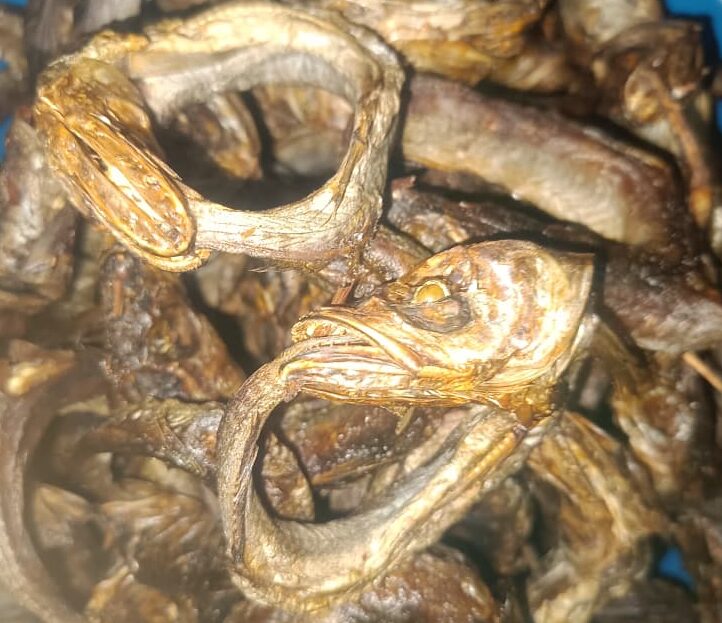
Ask any Nigerian who grew up eating home-cooked soups and they will know panla by taste long before they know it by name. It is the fish that gives egusi its depth, the one that turns a simple pot of vegetable soup into something that tastes like home. Yet common as it is in Nigerian kitchens, a surprising number of people are not sure what panla actually is, what it is called in English, or whether it is the same thing as stockfish.
This guide clears all of that up. Whether you are trying to recreate your mother’s cooking abroad or you simply want to understand what you are buying, here is everything worth knowing about panla fish.
What is Panla Fish in English?
Panla is the Nigerian name for hake, a white-fleshed ocean fish closely related to cod. In some markets and households it is also referred to loosely as a type of cod, which is where a lot of the confusion begins. The name “panla” itself comes from Yoruba, and you will also see it spelled kpanla or pronounced with a soft “k” sound at the start, which is why so many people search for “kpanla fish” and “panla fish in english” trying to pin down exactly what they are dealing with.
The short answer: panla is hake, a lean, mild, white saltwater fish. When it is dried, it becomes the hard, intensely flavoured ingredient that Nigerian cooks prize for soups and stews.
Is Panla the Same as Stockfish?
This is one of the most common questions, and the answer is no, though the two are closely related and easy to mix up.
Stockfish is traditionally air-dried cod, unsalted, and dried until it is rock hard. Panla is dried hake. Both are dried white fish used in similar Nigerian dishes, both deliver that concentrated savoury punch, and both need rehydrating before cooking. The difference is the species of fish and, often, the texture and price. Stockfish tends to be firmer and more expensive, while dried panla is more affordable and slightly softer once rehydrated, which makes it an everyday favourite rather than a special-occasion ingredient.
If a recipe calls for stockfish and you only have panla, you can usually use panla and still get a delicious result. Many Nigerian households keep both.
Dried Panla vs Fresh Panla
Panla is sold in two main forms, and which one you want depends entirely on how you plan to cook it.
Fresh panla is the whole fish, popular in Lagos markets, and it shines in pepper soup, grilling, and frying. It has a clean, mild flavour and firm white flesh.
Dried panla has had its moisture removed, which concentrates the flavour dramatically and gives it a long shelf life without refrigeration. This is the version most Nigerians in the diaspora rely on, because it travels well, stores for months, and delivers that deep umami taste that fresh fish simply cannot match in a pot of soup. When people abroad search for panla, dried panla is almost always what they are looking for.
How to Prepare and Cook Dried Panla Fish
Dried panla needs a little preparation before it goes into the pot, but the process is simple.
Start by rinsing the dried fish under cold running water to wash off any dust from storage and transport. Next, soak it in a bowl of warm water for a few hours, or overnight if you have the time, until it softens. If the fish was salted, change the water once during soaking to draw out excess salt. Once softened, pick through the fish and remove the bones, and break the flesh into the size of pieces your dish needs.
From there, add the rehydrated panla to your soup early in the cooking so it has time to release its flavour into the base. For a crispier result, you can pat the soaked fish dry and shallow-fry it before adding it to stew or serving it alongside soaked garri or boiled yam.
The Best Nigerian Dishes to Cook with Panla
Panla is one of the most versatile proteins in the Nigerian kitchen. It works beautifully in egusi soup, where it sits alongside meat and adds that signature savoury depth. It brings body to ogbono soup and pairs naturally with the sticky, drawn texture. It features in efo riro and other vegetable soups, in okra soup, and in a rich tomato and pepper panla stew served over rice, yam, or plantain.
If you are stocking a Nigerian kitchen from scratch, panla belongs on the same shelf as egusi and ogbono, the two thickeners it most often cooks with. For a fuller picture of the essentials worth keeping on hand, our guide to the 10 essential Nigerian ingredients every diaspora kitchen needs is a useful starting point.
How Much is a Carton of Panla Fish?
If you cook Nigerian food regularly, buying panla by the carton is far better value than buying small quantities repeatedly. A common question is how many kilograms a carton holds, and the answer varies by supplier, but a standard carton of dried panla weighs around 4kg.
At AfoMarket, our dried panla fish is sold in a 4kg carton, which suits households that cook Nigerian soups often and want to stock up rather than reorder every few weeks. Because it is dried, it keeps well for months when stored properly, so a single carton goes a long way. You can see the current price for a 4kg carton on our panla fish product page.
Nutritional Value of Panla Fish
Beyond its flavour, panla is genuinely good for you. As a lean white fish it is high in protein and low in fat, making it a light but filling source of nourishment. It provides omega-3 fatty acids that support heart health, B vitamins including B12, and minerals such as calcium, phosphorus, and iron. The drying process concentrates much of this nutrition, so even the modest amount you add to a pot of soup contributes meaningfully to the meal.
Where to Buy Dried Panla Fish Online
For Nigerians in the diaspora, finding good quality dried panla locally can mean long drives to specialist African stores, and even then the quality and price are not always right. AfoMarket ships dried panla fish directly from Nigeria to your door, so you get the same quality you would find in a Lagos market without leaving your home.
The value adds up too. Our panla is priced at local Nigerian market rates rather than the marked-up prices you find in diaspora stores, so the base cost is often well below what you would pay abroad for the same quality. Shipping is the piece to plan around, and buying a full carton or combining panla with other Nigerian items in one order spreads that cost out. Across a fuller shipment, the total frequently comes in cheaper than sourcing the same authentic ingredients locally in your resident country.
We deliver panla fish and the full range of Nigerian ingredients to the United Kingdom, the United States, Canada, and across Europe. Stock your kitchen with the taste of home.